
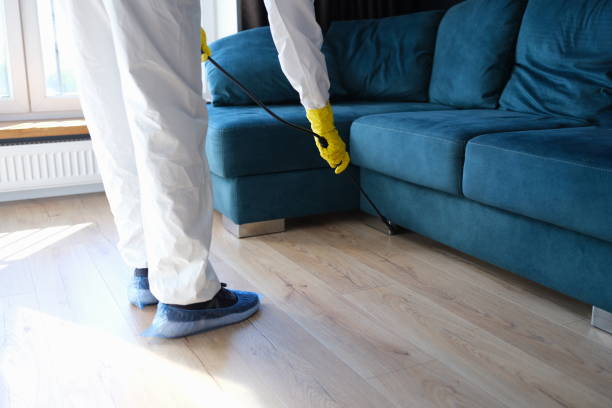
Pest problems can arise in any household, creating health risks and structural damage if left unchecked. Recognizing the signs of pest activity early allows homeowners to take swift action, helping to prevent infestations from escalating. Here is a detailed guide on the common indicators of pest problems and how to address them effectively.
Common Indicators of Pest Activity
Spotting pests themselves isn’t always the first sign of an issue. Many pests are nocturnal or skilled at hiding.
- Rodents leave small, pellet-like droppings around food sources, cabinets, or hidden corners.
- Cockroach droppings resemble coffee grounds or black pepper.
- Larger pests like bats or lizards may leave noticeable feces near entry points.
- Scratching noises in walls, ceilings, or attics often suggest rodent activity.
- Buzzing could indicate the presence of wasps, flies, or bees.
- Chewed wires, gnawed furniture edges, and damaged insulation can point to rodents.
- Termites create hollow-sounding wood and small piles of “frass,” which resemble sawdust.
- A musty smell could be caused by rodent nests or cockroach infestations.
- Dead pests left undetected can also create pungent odors.
- Spotting ants marching along countertops or a trail of termites near wooden structures often indicates a deeper issue.
How to Address Pest Problems
Once signs of a pest problem are identified, taking immediate steps is crucial.
- Inspection and Identification: Conduct a thorough inspection inside and outside your home: | Area to Check | Possible Signs | Likely Culprit | |————————|—————————————-|————————| | Attics & Basements | Droppings & scratching sounds | Rodents | | Kitchen | Droppings near food storage | Cockroaches/Ants | | Windows & Door Frames | Damaged wood/small holes | Termites | | Outdoors | Burrows/nests/hive presence | Wasps/Rodents |
- Seal Entry Points: Prevent pests from entering your home by sealing potential access points:
- Use caulk for cracks around windows and doors.
- Install weather stripping on doors for better protection against insects.
- Cover vents with fine mesh screens.
- Maintain Cleanliness: Proper sanitation reduces the likelihood of attracting pests:
- Store food in sealed containers.
- Regularly empty trash bins with tightly fitting lids.
- Clean up spills immediately to avoid feeding ants or roaches.
- Apply DIY Methods (When Appropriate): For minor infestations, some do-it-yourself measures can be effective:
- Use bait traps for rodents placed in non-accessible areas for children/pets.
- Boric acid powder is useful against cockroaches but should only be applied in safe areas per product guidelines.
- Know When to Call Professionals: If infestation signs persist despite your efforts—or if you’re dealing with dangerous species like termites—it’s wise to call professional pest control services.
Benefits of Early Detection
Addressing pest problems early not only prevents costly repairs but also safeguards the health and well-being of your family. Left untreated, various pests can contaminate food supplies, cause allergies through dander droppings (e. g. , mice), or even lead to structural hazards as seen with termites damaging foundational woodwork.
By understanding these key indicators and knowing how best to respond swiftly—whether via preventative strategies at home or consulting professionals—you’ll ensure your living space remains safe from unwanted intrusions year-round.
Effective Davie FL Pest Removal: Key Signs of Spider Infestations in Your Home
Spider infestations in your home can be unsettling and, in some cases, indicate deeper pest problems. Identifying the presence of spiders early allows you to take steps to address the issue before it escalates. Below are some common signs of spider infestations and ways to manage them effectively.
Common Signs of Spider Infestations
- Spiders often leave behind webs, which can vary in size and design depending on the species.
- Cobwebs found in corners, ceilings, or undisturbed areas like basements and attics are a strong indication of their activity.
- Regularly spotting spiders around your home is a clear indicator that there may be an infestation.
- Pay close attention to dark, humid areas such as closets, basements, and crawlspaces.
- Spiders feed on other insects; therefore, a sudden increase in flies or ants might attract spiders into your environment.
- This is often referred to as a secondary infestation sign.
- Spiders lay eggs within silk sacs that are typically hidden away from plain sight.
- Look for small white or cream-colored sacs near window frames, under furniture, or other secluded areas.
- Spiders often capture prey by wrapping them in silk. If you notice small bundles of dead insects around your home, this could signify spider presence.
Why Early Detection Matters
Early detection is critical because while most spiders are harmless, some—like black widows or brown recluses—can pose health risks due to their venomous bites. Additionally: – Spiders may indicate larger pest problems since they thrive where prey (other pests) is abundant. – Neglecting infestations could lead to an unsanitary living environment over time.
Prevention Tips for Keeping Spiders at Bay
- Declutter Your Space: Remove unnecessary clutter from storage spaces such as basements and garages where spiders like to hide.
- Seal Entry Points: Inspect windows, doors, and cracks along walls for gaps that might allow spiders entry into your home.
- Control Indoor Lighting: Reduce outdoor lighting near windows and doors as it attracts insects—and by extension—spiders seeking prey.
- Maintain Cleanliness: Regular dusting and vacuuming help remove cobwebs and egg sacs before they become breeding grounds.
- Address Other Pest Problems: Eliminate pests like flies or ants that attract spiders into your space.
When Professional Help Is Needed
| Situation | Reason |
| Persistent infestation | If webs or egg sacs repeatedly appear despite cleaning efforts |
| Identification challenges | Professional exterminators can determine whether venomous species are present |
| Widespread issue across property | Experts can apply targeted solutions for large-scale infestations |
By recognizing these signs early on and taking appropriate preventative steps—or seeking professional help when necessary—you ensure your living environment remains clean and safe from unwanted pests like spiders.
Effective Tips from a Pest Control Company Davie FL on Detecting and Preventing Termite Damage
Termites are often referred to as “silent destroyers” due to their ability to cause significant damage without being detected for long periods. Protecting your home from termites requires a combination of vigilance, early detection, and proactive prevention measures. This guide covers the essential steps to identify termite activity and strategies to safeguard your property.
Identifying Signs of Termite Infestations
Detecting termites early can save homeowners thousands of dollars in repairs.
- Mud Tubes: Thin tunnels made of soil and wood particles often found along walls, foundations, or wooden structures. These tubes provide termites with moisture as they travel between their colony and food sources.
- Discarded Wings: Flying termites (swarmers) shed their wings after finding a new nesting site. Piles of transparent wings near windowsills or entry points may signal an emerging infestation.
- Hollow-Sounding Wood: Tapping on wooden surfaces may reveal hollow sounds caused by termites consuming the interior structure of the wood.
- Frass (Termite Droppings): Drywood termites usually leave behind small piles of wood-colored droppings resembling sawdust.
- Buckling Paint or Bubbling Walls: Moisture buildup from termite activity can cause paint on walls or woodwork to blister or bubble abnormally.
If you notice any of these warning signs, it’s essential to act quickly to limit further damage.
Effective Prevention Strategies
- Fix leaking pipes, faucets, or drainage issues.
- Direct water away from your foundation using gutters and downspouts.
- Ensure proper ventilation in crawl spaces and attics to reduce humidity levels.
- Avoid burying untreated wooden materials directly into the ground.
- Use concrete barriers between soil and structural wood elements like decks or fences.
- Conduct routine inspections around your foundation for mud tubes or other signs of activity.
- Check wooden furniture, stored firewood, and wooden construction materials for potential infestations.
- Keep firewood stacks at least 20 feet away from the house.
- Elevate firewood off the ground using racks or pallets.
- Use caulk to seal cracks in foundations or walls where termites might gain access.
- Install weather stripping around doors and windows.
Comparing DIY vs Professional Termite Control
| Aspect | DIY Methods | Professional Pest Control |
| Cost | Low upfront cost | Higher initial investment |
| Effectiveness | Limited effectiveness for severe cases | Long-lasting results with proper application |
| Knowledge Required | Basic knowledge needed | Experts trained in pest behavior |
| Detection Capabilities | May miss hidden infestations | Advanced tools like infrared cameras |
| Time Investment | Requires consistent effort | Minimal homeowner involvement |
Homeowners should weigh these factors carefully when deciding whether professional termite control services are necessary based on property size, risk factors, and severity of current infestations.
By staying proactive about monitoring for signs of termites and implementing preventive measures effectively, you can protect your residential property from costly structural damage over time while maintaining a healthy living environment for your family.
Identifying Early Warning Signs of Rodent Infestations with Davie FL Pest Control
Rodents, such as mice and rats, are not only a nuisance but also pose significant health threats and structural damage to your property. Detecting their presence early can help mitigate the risks and prevent an infestation from escalating. Below, we discuss the key signs that indicate rodents may be infesting your space, along with actionable steps to address the problem effectively.
Effective Termite Control in Davie FL: Signs to Watch Out For
- Rodent droppings are one of the most visible indicators of an infestation.
- Look for small, dark pellets in areas such as cupboards, under sinks, or near food storage.
- Fresh droppings are soft and moist, while older ones appear dry and brittle.
- Rodents constantly chew on objects to keep their teeth sharp.
- Inspect wires, wooden furniture, walls, or even packaged goods for bite marks or signs of gnawing.
- Mice and rats construct nests using materials like shredded paper, fabric scraps, or dried plant matter.
- These nests are often hidden in undisturbed areas such as behind appliances or inside wall cavities.
- Scratching or scurrying sounds in walls, ceilings, or floors can indicate rodent activity.
- Noises are typically more noticeable at night when rodents are most active.
- As rodents travel through your home repeatedly along the same routes, they leave greasy smudges from their fur on surfaces like walls or baseboards.
- You may also notice small footprints or tail marks in dusty areas.
- A strong musky smell may signal a rodent infestation.
- Dead rodents trapped within walls can produce an even more unpleasant odor over time.
Steps to Address a Rodent Problem
- Seal Entry Points | Common Entry Points | Suggested Fixes | |————————–|——————————————| | Gaps around doors | Use weather stripping | | Cracks in foundation | Seal with caulk or concrete filler | | Openings around pipes | Install steel wool followed by sealant |
- Set Traps There are several types of traps available:
- Snap Traps: Effective for quick elimination.
- Glue Boards: Useful for smaller infestations but should be handled carefully.
- Live Catch Traps: For those who prefer humane removal methods.
- Use Baits Cautiously Rodenticides (poison baits) should be used sparingly and kept out of reach of pets and children.
- Consider Professional Help If the infestation persists despite your efforts:
- Contact licensed pest control professionals who specialize in rodent management.
- They can identify hidden infestations and apply more advanced solutions safely.
Preventing Future Infestations
- Perform regular inspections for potential entry points around your property.
- Maintain cleanliness by decluttering storage spaces like attics and basements.
- Ensure proper waste management practices both indoors and outdoors.
- Trim vegetation near exterior walls to limit concealment opportunities for pests nearby.
Proactive monitoring alongside effective prevention strategies is essential for maintaining a pest-free home environment while minimizing long-term damage caused by rodents’ destructive habits.
The Importance of Professional Pest Control for Protecting Your Home
Pests pose significant risks to your home, health, and overall quality of life. While DIY pest control methods may seem cost-effective, they often fail to address the root causes of infestations. Relying on professional pest control services is an essential step in safeguarding your property and ensuring a healthy living environment. Below, we explore why professional pest control is critical for long-term protection.
Comprehensive Inspection and Identification
One of the primary advantages of hiring pest control professionals is their ability to conduct thorough inspections.
- Identify hidden pests that are difficult to detect, such as termites or bed bugs.
- Pinpoint the source of infestations rather than just addressing visible symptoms.
- Assess environmental factors contributing to recurring pest issues (e. g. , standing water or structural gaps).
Professional assessments ensure every corner of your home is evaluated for existing or potential threats, offering a complete picture that DIY methods often overlook.
Customized Treatment Plans
No two pest problems are identical, which makes cookie-cutter approaches ineffective.
- The type of pest (e. g. , rodents, insects, arachnids).
- The severity and scale of the infestation.
- The structure and layout of your property.
- Consideration for pets, children, or environmental preferences (e. g. , eco-friendly treatments).
These tailored strategies ensure efficient eradication while minimizing unnecessary chemical use.
Advantages Over DIY Methods
While DIY products may offer temporary relief, they lack the precision and long-term effectiveness provided by professional services.
- Thermal imaging devices for detecting termites.
- High-quality baiting systems for rodents.
- Specialized insecticides unavailable in retail stores.
- Experts use properly measured chemicals.
- Appropriate safety precautions prevent harm to residents and pets.
- Professionals educate homeowners on how to avoid future infestations through better sanitation practices, sealing entry points, and reducing attractants like food residue.
Long-Term Cost Savings
| Pest Type | Potential Damage | Estimated Repair Costs |
| Termites | Destroy wooden structures such as beams and flooring | $3,000–$8,000 |
| Rodents | Chew electrical wires causing fire hazards | $1,000–$5,000 |
| Cockroaches | Contaminate food supplies leading to health-related expenses | Varies |
By addressing issues at their source before they escalate into larger problems requiring expensive repairs or replacements, professional intervention proves cost-effective in the long run.
Peace of Mind
Perhaps most importantly, working with a trusted pest control service provides peace of mind knowing that your home is free from harmful invaders. Professionals offer warranties or follow-up visits to guarantee lasting results—something rarely available with DIY products.
Investing in professional pest management is not merely about solving immediate problems; it’s about creating a secure foundation for the future well-being of your household.
The Importance of Professional Pest Control for Protecting Your Home
Maintaining a pest-free home is essential not only for the comfort of your living environment but also for safeguarding the health of your family and preserving the structure of your property. Professional pest control services provide critical expertise and solutions that go beyond DIY methods, ensuring comprehensive protection against a wide variety of pests.
Key Benefits of Professional Pest Control Services
- Thorough Inspection and Identification
Professionals are trained to accurately identify pests and assess the extent of infestations. Misidentifying pests can lead to ineffective treatment strategies, potentially exacerbating the issue. - Customized Treatment Plans
Every pest infestation is unique, requiring tailored approaches. Licensed experts design targeted treatment plans that address specific pest types while considering environmental factors and the specific needs of your home. - Safe Use of Chemicals
Over-the-counter pesticides can be harmful if applied incorrectly. Professionals utilize EPA-approved products in a responsible manner, ensuring safety for humans, pets, and non-target species. - Long-term Prevention Strategies
Beyond eliminating current infestations, experts help you implement preventive measures such as sealing entry points, reducing attractants, and scheduling regular inspections to keep pests at bay. - Time and Cost Efficiency
Although professional services may seem like an upfront investment, they prevent costly repairs resulting from structural damage caused by termites or rodents, as well as potential health expenses linked to pest-borne diseases.
Risks Associated with DIY Pest Control
- Incorrect application or overuse of chemicals may cause harm to residents.
- Inadequate treatment often leads to recurrence or worsening infestations.
- Lack of expertise can result in undetected damage or missed signs of a larger problem.
- Certain pests like termites could spread rapidly if not addressed comprehensively by professionals.
Types of Pests Best Handled by Professionals
| Pest Type | Potential Risks | Why Professionals Are Necessary |
| Termites | Structural damage | Require specialized equipment for detection and treatment |
| Rodents | Disease transmission; property damage | Need expert understanding for trapping/eradication |
| Bed Bugs | Rapid reproduction; difficult removal | Require heat treatments or advanced techniques |
| Cockroaches | Allergens; contamination | Resistant to common insecticides |
| Spiders | Venomous bites (in some cases) | Experts can identify toxic species |
Indicators It’s Time to Call a Professional
- Persistent sightings of live pests such as cockroaches or rodents.
- Structural damage like sagging floors or hollow-sounding wood (indicative of termites).
- Droppings in hidden areas such as attics or basements.
- Unusual odors coming from walls or closed spaces.
- Bite marks on bedding or furniture suggesting bed bug activity.
How Routine Inspections Can Save You Stress
Investing in regular inspections by professional pest control providers ensures early detection before problems escalate. Trained technicians use advanced tools such as moisture detectors, bait stations, and thermal imaging devices to identify potential vulnerabilities that aren’t visible during routine cleaning or maintenance tasks.
Incorporating professional care into your home management strategy offers peace of mind while mitigating long-term risks associated with unchecked infestations. Protecting your home starts with trusting skilled experts who bring precision and knowledge into every inspection and treatment process.
Top Reasons to Consider Expert Help for Comprehensive Pest Management
Managing pests effectively requires a combination of knowledge, tools, and experience. While DIY methods may seem cost-effective, professional pest control services often provide comprehensive and lasting solutions. Here are the top reasons why expert help is a wise choice for thorough pest management.
Expertise and Specialized Knowledge
Professional pest control technicians are trained to identify various pests accurately and understand their behavior. This knowledge allows them to develop targeted strategies for eliminating infestations effectively.
- Understanding Pest Biology: Professionals can identify life cycles, nesting habits, and food preferences of pests common in your area.
- Accurate Identification: Misidentifying a pest can lead to using ineffective treatments. Experts ensure that the correct pest is addressed with the right approach.
Customized Treatment Plans
Experts don’t rely on one-size-fits-all solutions. Instead, they assess the unique aspects of your property—such as its layout, climate conditions, and level of infestation—and tailor treatments accordingly.
- Targeted application of pesticides or traps where they are needed most.
- Minimization of unnecessary chemical use to ensure safety for residents and pets.
- Long-term preventive strategies based on your property’s vulnerabilities.
Access to Advanced Tools and Products
Professional pest control companies have access to industrial-grade tools and products not typically available to homeowners. These tools often yield faster results with greater efficiency.
| Tool/Product | Purpose |
| Baiting Systems | Attracts pests like rodents or termites while eliminating colonies at the source. |
| Thermal Imaging Cameras | Detects hidden nests or termite activity inside walls. |
| Residual Insecticides | Provides long-lasting protection against insects in treated areas. |
Ensuring Safety and Compliance
Handling pesticides improperly poses health risks for humans, pets, and the environment. Professionals have the training required to apply treatments safely while adhering to regulatory standards.
- Protecting your family from harmful exposure.
- Preventing environmental contamination by disposing of chemicals responsibly.
- Ensuring compliance with local laws concerning pest control practices.
Cost Efficiency in the Long Run
While professional services may carry an upfront cost, they often save money over time by addressing infestations comprehensively without repeated failures associated with DIY methods.
- Preventing structural damage caused by termites or rodents early on avoids expensive repairs later.
- Effective eradication reduces recurring infestations that require additional treatments.
- Warranty options from many pest control companies provide ongoing peace of mind.
Time-Saving Solutions
Addressing severe infestations independently can take weeks or months without guaranteed success. Professional technicians streamline this process by quickly diagnosing issues and implementing effective treatments.
By considering expert help for comprehensive pest management, you secure not only your home but also peace of mind knowing that experienced professionals are handling your problem efficiently with optimal results in mind.
- When to Call a Davie FL Exterminator Instead of Trying DIY Pest Control
- Effective Solutions from a Trusted Davie FL Exterminator for Same-Day Pest Control
- Effective Solutions from a Davie FL Exterminator for Bug Problems
- How to Identify Pest Problems and When to Call a Davie FL Exterminator
- Debunking Pest Control Myths with Insights from a Davie FL Exterminator
- How a Davie FL Exterminator Can Solve Your Toughest Pest Problems
- Top Davie FL Pest Control Tips for Preventing Seasonal Pests All Year Round