
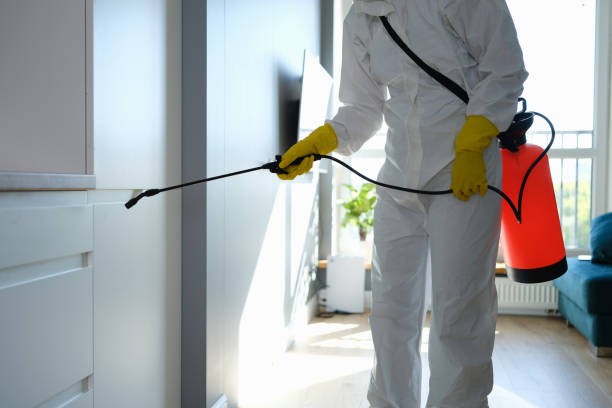
Pest control is an essential aspect of maintaining a safe and healthy environment in both homes and businesses. However, misconceptions about pest control methods often lead to ineffective practices, allowing infestations to persist or worsen over time. Understanding and addressing these myths can significantly improve pest management strategies. Below, we examine some of the most common pest control myths and explore their impact on effective pest management.
Myth 1: Clean Homes Don’t Attract Pests
One of the most pervasive myths is that pests only infest dirty homes. While cleanliness plays a role in reducing the chances of an infestation, it does not guarantee immunity from pests. Pests such as ants, cockroaches, and rodents are resource-driven—meaning they enter spaces in search of food, water, or shelter regardless of how clean or organized the area may be.
Reality Check:
– Even spotless homes can attract pests if they offer access to food or water sources.
– Structural vulnerabilities like cracks in walls or improperly sealed doors/windows allow pests entry.
– Seasonal factors may influence pest activity regardless of cleanliness levels.
What You Can Do:
– Seal all cracks and crevices to block entry points.
– Store food in airtight containers and eliminate standing water.
– Conduct regular inspections for early signs of infestation.
Myth 2: DIY Methods Are Just as Effective as Professional Pest Control
Many people believe that home remedies or over-the-counter products are enough to eliminate pests permanently. This often leads to a cycle of short-term fixes rather than addressing the root cause of the problem.
Why This Myth is Problematic:
– DIY solutions often target visible pests but fail to address nests or breeding sites.
– Inappropriate use of chemicals can be harmful to humans, pets, and beneficial insects.
– Pests like termites or bedbugs require specialized treatment plans that go beyond store-bought solutions.
| DIY Method | Limitations |
| Over-the-counter sprays | Temporary relief; may not affect eggs or hidden colonies. |
| Natural remedies (e.g., vinegar) | Limited effectiveness against larger infestations; labor-intensive application needed. |
| Traps (e.g., sticky traps) | Useful for monitoring but insufficient for large-scale infestations. |
Professional services bring expertise, advanced tools, and tailored strategies that deliver long-term results while minimizing risks.
Myth 3: All Pest Control Chemicals Are Dangerous
A common misconception is that all pest control treatments involve harmful chemicals that can endanger health. This idea discourages individuals from seeking professional services when needed.
The Facts:
– Modern pest control techniques prioritize environmentally friendly solutions with minimal toxicity.
– Integrated Pest Management (IPM) focuses on prevention and uses chemicals only as a last resort.
– Professionals are trained to apply treatments safely, targeting specific areas without causing harm to occupants or pets.
The Impact of Believing These Myths
When these myths are taken at face value:
1. Infestations may persist longer than necessary because proper action isn’t taken promptly.
2. Misguided attempts at control could exacerbate problems by dispersing pests rather than eliminating them.
3. Financial costs increase over time due to repeated ineffective treatments or damage caused by unchecked infestations.
By dispelling these myths and relying on evidence-based practices for pest management, homeowners and businesses can protect their properties while promoting health and safety efficiently.
Effective Davie FL Pest Control: Why DIY Solutions Often Fall Short
Attempting to tackle a pest infestation on your own may seem like an easy and cost-effective solution at first. However, DIY pest control methods are often insufficient for addressing infestations effectively. Here’s why relying solely on these approaches can lead to persistent problems and even exacerbate the situation.
Understanding Pest Behavior for Effective Davie FL Pest Removal
- Breeding cycles: DIY solutions often fail because they do not address the root cause of reinfestation—pest reproduction.
- Preferred hiding spots: Pests can hide in areas that are hard to detect without specialized tools, such as wall voids, crawl spaces, or attics.
- Food and water sources: Identifying where pests gain their sustenance is critical for prevention.
Without understanding these patterns, DIY attempts may only address surface-level issues while allowing the infestation to persist behind the scenes.
Why You Should Rely on a Pest Control Company Davie FL Instead of Over-the-Counter Products
| Issue | Explanation |
| Low Potency | Many consumer products are less potent than professional-grade treatments due to safety regulations. |
| Short-Term Results | These products often provide temporary relief rather than a long-term solution for infestations. |
| Improper Usage Risks | Misapplication can expose residents or pets to unnecessary health risks while failing to eliminate pests. |
In addition, specific pests like bedbugs or termites require targeted treatments that over-the-counter solutions cannot provide.
How Termite Control Davie FL Can Prevent the Problem from Worsening
DIY pest control can sometimes make an infestation worse if handled incorrectly.
For example:
– Disturbing nests: Insects like ants or wasps may relocate their nests when improperly targeted, leading to infestations in new areas.
– Resistance development: Overusing certain chemicals can promote resistance among pests, making them harder to eliminate in the future. – Incomplete eradication: Killing visible pests without addressing eggs or larvae allows populations to rebound quickly.
4. Lack of Preventative Measures
Professional pest control services not only focus on eliminating current infestations but also implement preventative strategies tailored to your property’s unique vulnerabilities. DIY methods often overlook this critical step, leaving homes or businesses susceptible to recurring issues.
Preventive measures include:
– Sealing entry points such as cracks and crevices
– Removing food and water sources
– Treating high-risk areas during specific seasons (e.g., spring termite swarms)
5. Cost Implications of Failed DIY Efforts
While DIY solutions may seem cheaper upfront, repeated failures can lead to compounded costs over time due to reinfestations or property damage caused by pests (e.g., structural damage from termites). Hiring a professional early on ensures comprehensive treatment and eliminates the need for trial-and-error approaches.
When Should You Call a Professional?
Consider reaching out to a licensed pest control provider if you encounter any of the following:
– Severe infestations that persist despite your efforts
– Structural damage caused by wood-boring insects like termites
– Health concerns related to bites, stings, or contamination
– Unidentified pests requiring expert identification
Partnering with experts ensures proper techniques are employed safely and effectively while minimizing long-term risks associated with untreated infestations.

Why DIY Solutions Are Often Insufficient for Proper Pest Elimination
When faced with a pest problem, it’s tempting to turn to do-it-yourself (DIY) solutions. While these methods might seem cost-effective and convenient, they often fall short of addressing the root cause of the issue and can sometimes worsen the situation. Understanding why DIY solutions are insufficient can save you time, money, and frustration while protecting your property from damage.
Lack of Comprehensive Expertise
- Species Identification: Misidentifying the pest can lead to the use of ineffective treatments.
- Life Cycle Awareness: Many pests go through developmental stages (e.g., eggs, larvae) that require targeted interventions.
- Infestation Sources: Without locating and addressing entry points or nesting sites, pests are likely to return.
Professionals assess all these factors before creating a tailored treatment plan.
Overuse or Misuse of Products
- Inappropriate Dosages: Using too much product can pose health risks to humans and pets without improving efficacy.
- Wrong Use Cases: Spraying pesticides on visible pests ignores hidden infestations or breeding grounds.
- Pesticide Resistance: Overusing chemical treatments can contribute to resistance in certain pest populations over time.
A professional approach ensures that products are used safely and effectively in accordance with local regulations.
Temporary Results vs. Long-Term Solutions
| Common Pest Problem | Typical DIY Solution | Long-Term Issue |
| Ant trails indoors | Spraying visible ants | Colony remains active |
| Rodent sightings | Setting snap traps | Breeding nests untouched |
| Cockroach activity | Using insecticide sprays | Eggs remain unaffected |
Professional pest control services focus on eradicating infestations at their source while implementing preventative measures.
Health and Safety Risks
- Exposure to toxic chemicals due to lack of protective equipment.
- Aggravation of allergies or respiratory conditions from aerosolized treatments.
- Accidental contamination of food surfaces or water sources.
Certified exterminators follow strict safety protocols to minimize potential hazards during treatment.
Benefits of Professional Pest Control Services
- Thorough Inspection – Experts conduct detailed evaluations to identify all signs of infestation.
- Customized Treatment Plans – Targeted strategies based on specific pest types ensure better results.
- Preventative Measures – Professionals take steps such as sealing entry points, recommending structural repairs, or applying repellents to prevent future problems.
- Ongoing Monitoring – Regular follow-ups guarantee that pests don’t return after initial treatment.
Instead of relying solely on store-bought remedies with uncertain outcomes, trusting certified professionals ensures not only effective elimination but also long-term peace of mind when dealing with pests in your home or business.
Debunking the Most Common Myths About Over-the-Counter Pest Control Products
Over-the-counter (OTC) pest control products are often the first choice for homeowners and business owners looking for quick, cost-effective solutions to pest problems. However, many common myths surrounding these products can lead to ineffective pest management or even exacerbate infestations. Understanding the truth about OTC pest control products is essential for ensuring proper pest elimination and long-term prevention.
Myth 1: All Over-the-Counter Products Work the Same Way
- Ants: Most ant sprays only kill visible ants but fail to address the colony.
- Cockroaches: General insecticides may kill roaches on contact but don’t eliminate their eggs or hidden nests.
- Rodents: Snap traps and bait stations only work if strategically placed based on rodent behavior.
Choosing the wrong product or misusing it can result in persistent infestations.
Myth 2: OTC Products Are Safe to Use Without Precautions
- Insect sprays often contain harmful chemicals that can irritate skin, eyes, or respiratory systems.
- Rodenticides can accidentally harm non-target animals if not used properly.
Always read labels carefully and follow application instructions exactly as written.
Myth 3: OTC Products Eliminate Pests Permanently
| Pest Type | Short-Term Effect | Underlying Issue Ignored |
| Termites | Kills visible termites near treated wood | Fails to eliminate colonies beneath soil |
| Bed Bugs | Reduces activity in treated areas | Eggs hatch later, leading to resurgence |
| Rodents | Removes a few individuals | Entry points remain unsealed |
Professional inspections and long-term prevention strategies are crucial for permanent results.
Myth 4: More Product Equals Better Results
- Resistance among pests (e.g., insects becoming less susceptible over time).
- Environmental contamination affecting plants, animals, and water sources.
Using excessive amounts of any chemical also increases risks to human health.
Why Relying Solely on OTC Products Is Ineffective
- Integrated Pest Management (IPM) approaches that combine multiple methods for long-term solutions.
- Advanced tools like thermal imaging cameras or baiting systems unavailable through retail stores.
- Expertise in identifying hidden infestation sources such as wall voids or structural damage.
By debunking these myths about OTC pest control products and understanding their limitations, you can make more informed decisions about managing pests effectively in your home or business environment.
The Truth About Year-Round Pest Problems and How to Address Them Effectively
Pest issues are not confined to a single season. Many people believe that pests are only problematic during the warmer months, but the truth is they can be a year-round concern. Understanding why pests thrive throughout the year and taking proactive measures can help protect your home or business from costly damage and health risks.
Why Pests Are a Year-Round Problem
- Spring: Warmer temperatures signal breeding season for many insects like ants, termites, and mosquitoes. They become more active as their food sources—like plants and other insects—also emerge.
- Summer: Peak activity for many outdoor pests such as wasps, flies, and fleas. High humidity also attracts cockroaches.
- Fall: As temperatures drop, rodents like mice and rats seek shelter indoors to escape the cold. Spiders also migrate indoors in search of prey.
- Winter: While some pests hibernate, others such as rodents, cockroaches, and silverfish remain active indoors where conditions are warm and food is readily available.
Common Year-Round Pests
| Pest Type | Active Season | Potential Risks |
| Rodents (mice/rats) | Fall & Winter | Damage to wiring, contamination of food |
| Cockroaches | All seasons | Trigger allergens, spread bacteria |
| Termites | Spring & Summer | Structural damage |
| Ants | Spring & Summer | Food contamination |
| Spiders | Fall | Bites from venomous species |
How to Address Year-Round Pest Problems
- Conduct routine checks in vulnerable areas such as basements, attics, kitchens, and garages.
- Look for signs of pest activity like droppings, gnaw marks, or unusual odors.
- Inspect doors, windows, vents, and foundation cracks regularly.
- Use caulk or weather stripping to seal gaps that could allow pests indoors.
- Keep countertops free of crumbs or spills that attract ants or roaches.
- Store food in airtight containers to limit access for pests.
- Trim overgrown vegetation near your home where pests might hide or nest.
- Remove standing water (in birdbaths or gutters) to prevent mosquito breeding.
- Schedule Professional Pest Control Services
A licensed pest control professional can provide tailored solutions based on seasonal risks in your area. Regular inspections and preventive treatments can significantly reduce the risk of infestations.
Benefits of Year-Round Pest Management
Investing in continuous pest control measures offers several advantages:
– Prevents costly property damage caused by termites or rodents
– Protects household members from allergens or diseases carried by certain pests
– Reduces stress by minimizing unexpected infestations
By staying vigilant about potential pest issues throughout the year and implementing preventive measures consistently, you can maintain a safer living environment while reducing long-term costs associated with pest-related damages.
- When to Call a Davie FL Exterminator Instead of Trying DIY Pest Control
- Effective Solutions from a Trusted Davie FL Exterminator for Same-Day Pest Control
- Effective Solutions from a Davie FL Exterminator for Bug Problems
- How to Identify Pest Problems and When to Call a Davie FL Exterminator
- Debunking Pest Control Myths with Insights from a Davie FL Exterminator
- How a Davie FL Exterminator Can Solve Your Toughest Pest Problems
- Top Davie FL Pest Control Tips for Preventing Seasonal Pests All Year Round